Field test: living a full shift in an overhead-support exoskeleton
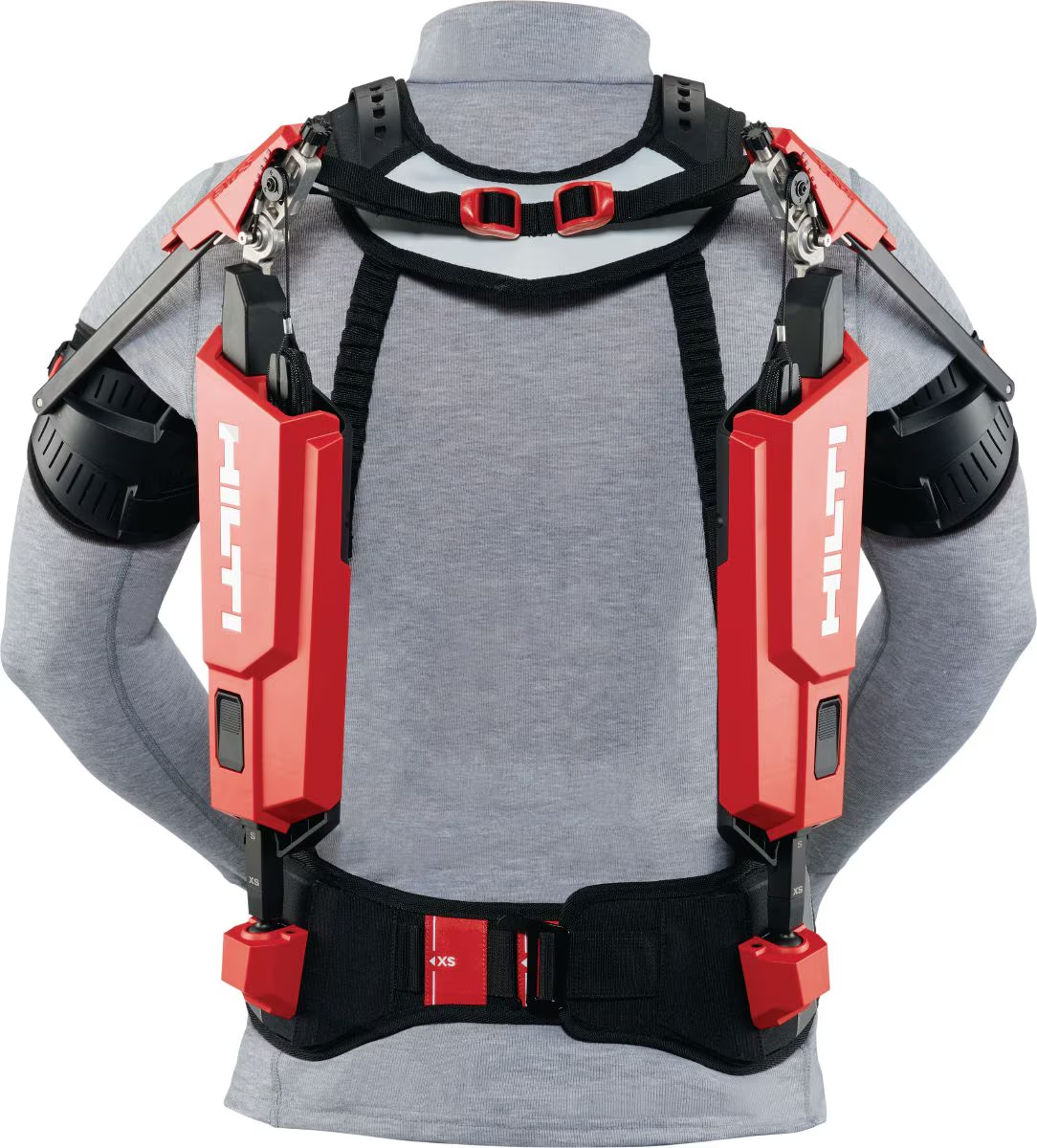
Hands free, weight on. The promise of an active shoulder exoskeleton is simple: take the load off your arms when you work overhead, and give it back to your body without you noticing. We spent two weeks with one to see how that promise holds up on a real site.
What it actually does
An overhead-support exoskeleton stores energy when you raise your arms and releases it to hold the position, so your shoulders are not carrying the full static load of a drill or a paint roller for minutes at a time. The effect is most obvious on the third hour, not the first.
Where it shines
Repetitive overhead tasks are the clear win: installing ductwork, sanding ceilings, fastening panels above shoulder height. The support is consistent and quiet, and the unit disappears under a jacket.
Where it gets in the way
Anything that mixes overhead work with frequent bending or load carrying is where the trade-offs show. The support that helps you up top can fight you when you crouch. Plan the task, not just the tool.
Verdict
For a narrow, repetitive overhead job, the comfort gain across a full shift is real and measurable. For mixed work, the case is weaker. Either way, a half-day trial on your own tasks tells you more than any spec sheet.
A question or a reaction?
Ask anything about this model or share your own experience. We read every message and reply to the ones that move the conversation forward.