Find the exoskeleton that fits your life.
We test, review and compare exoskeletons from every major brand, for work, everyday life, and recovery. No sales pitch, just honest, side-by-side advice.
Choose your world
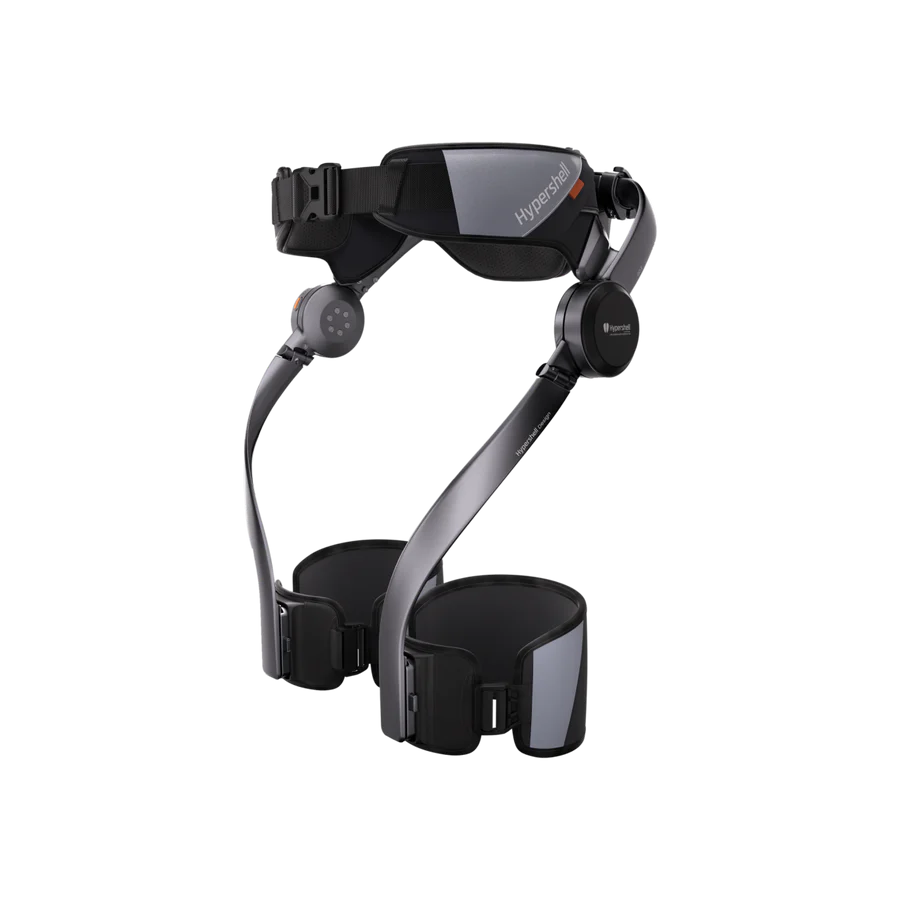
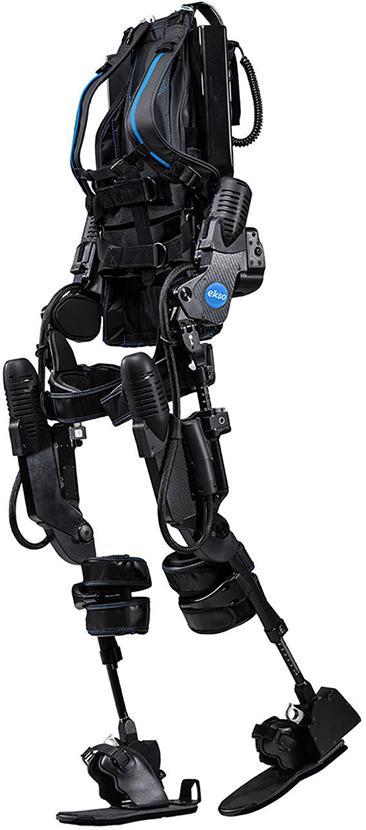
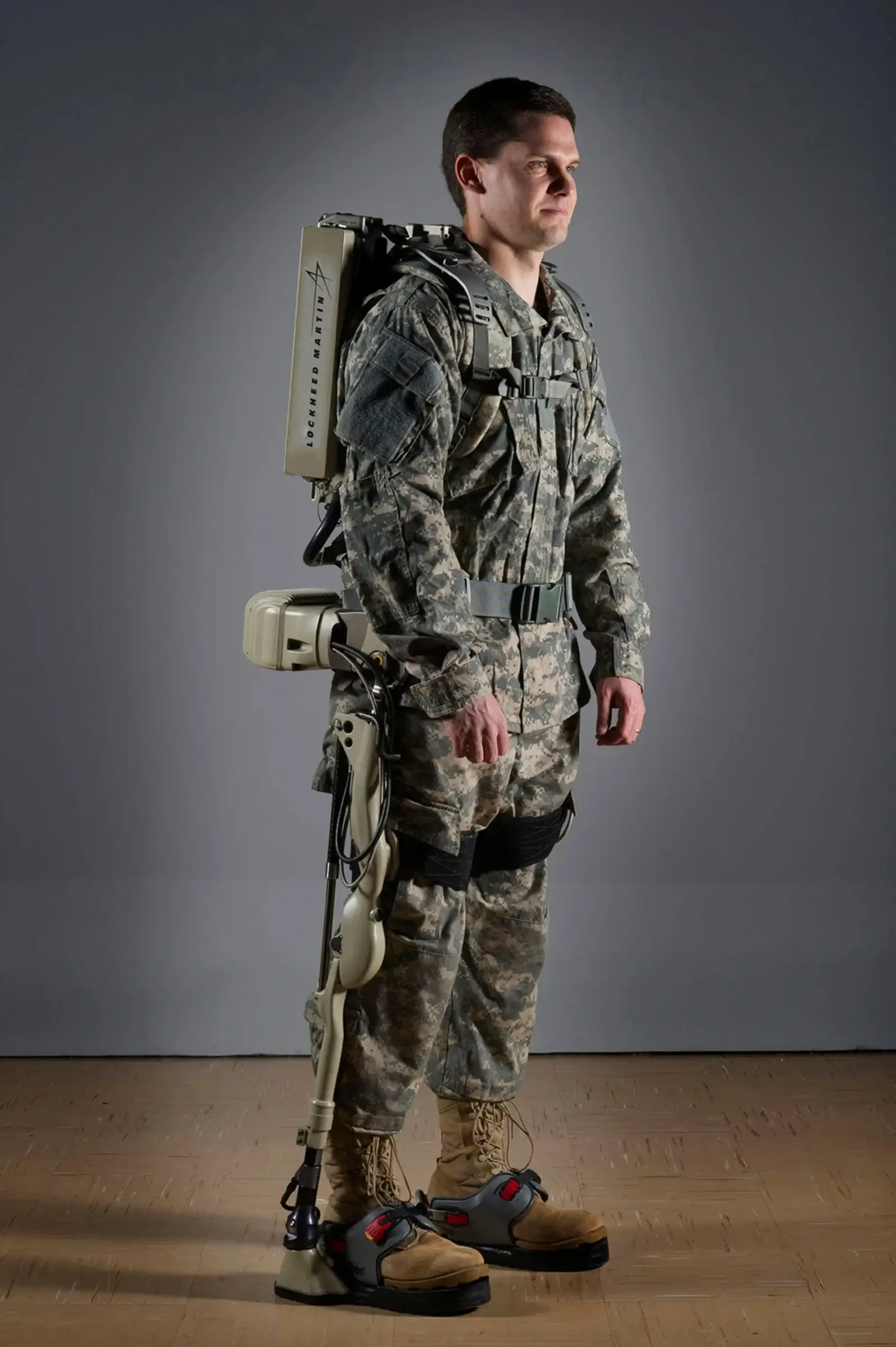
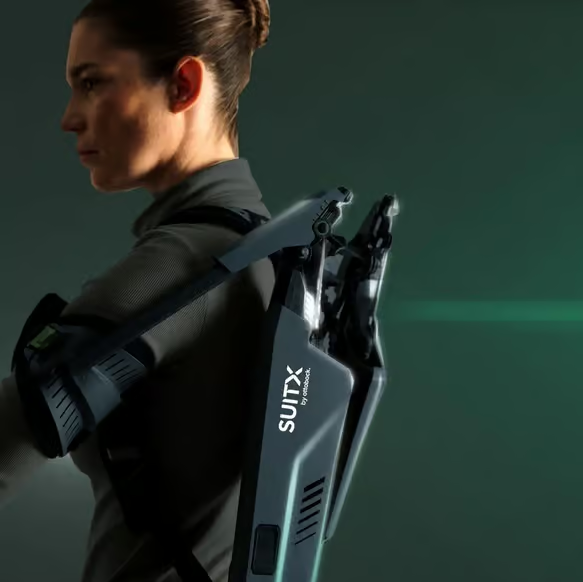
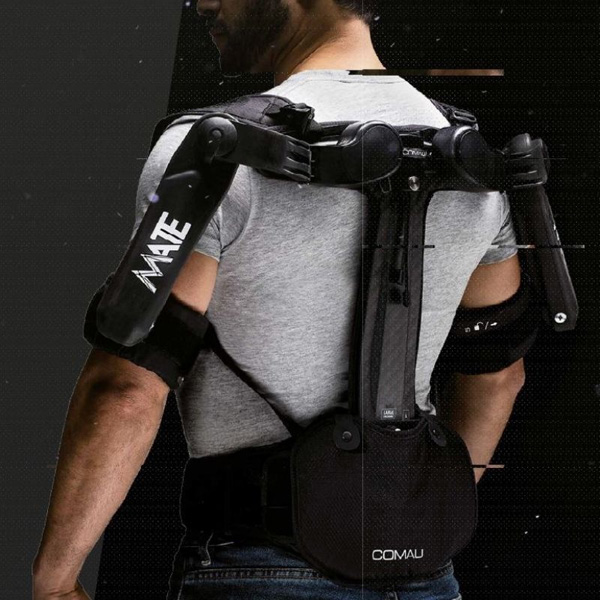
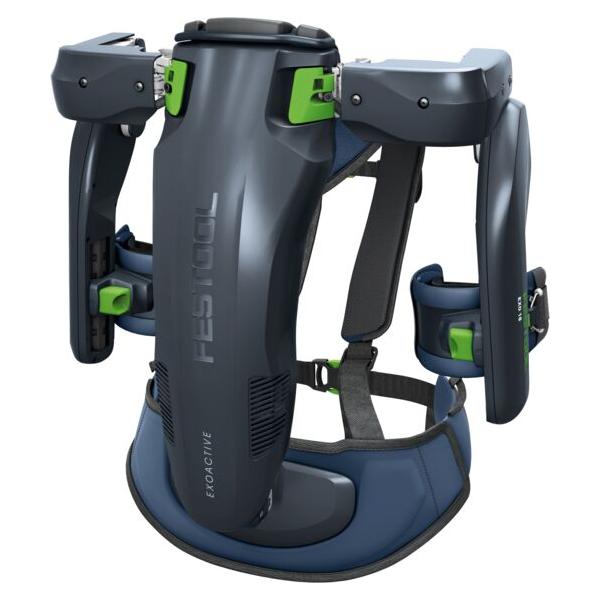
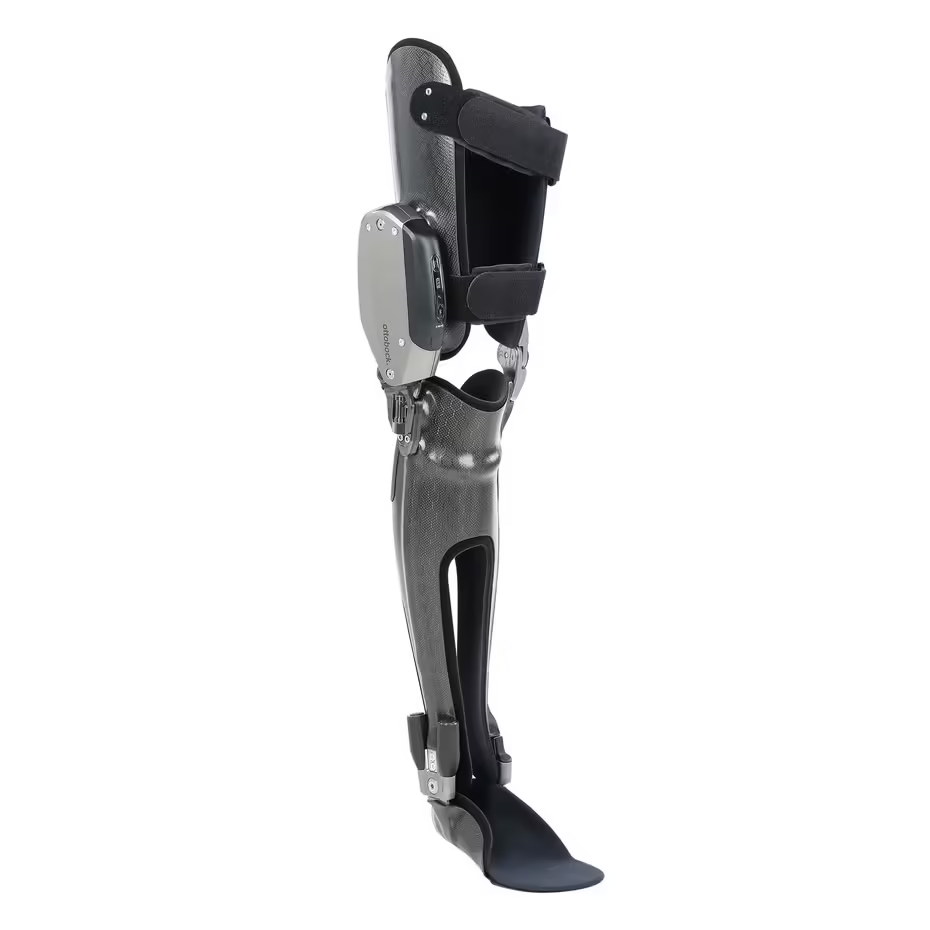
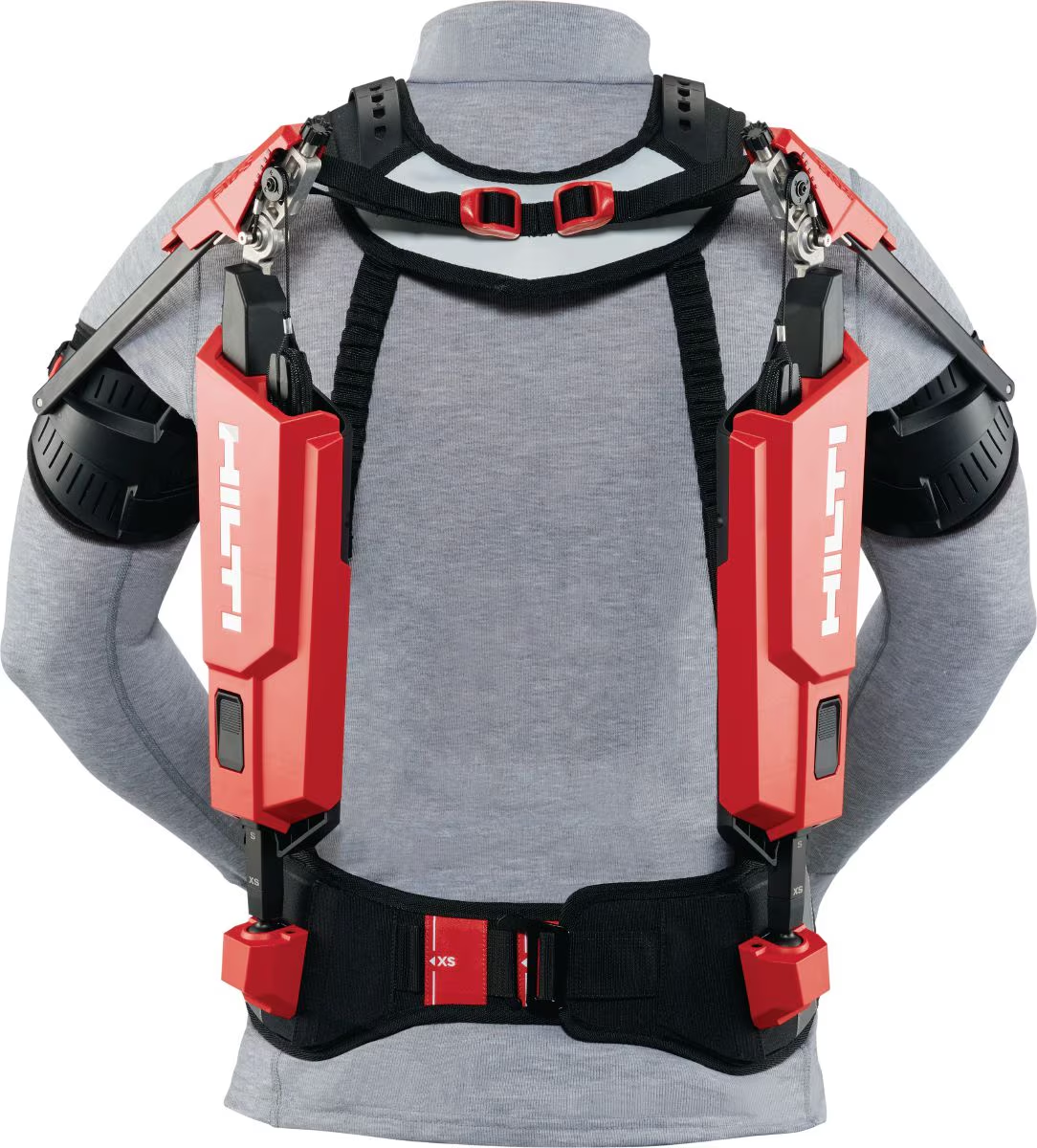
Exoskeletons: the future is already here
With the rise of exoskeletons, daily life for thousands of users around the world is undergoing unprecedented progress.
Exoskeletons make it easier for people with reduced mobility to get around, ease the physical strain on industrial workers, and significantly improve people's everyday quality of life.
Whether the goal is to improve your mobility or boost your physical capabilities, exoskeletons are transforming both the medical field and the industrial world.
Compare side by side
Frequently asked questions
What is an exoskeleton and how does it work?
The exoskeleton represents a major breakthrough across the military, medical, and professional worlds. First developed in 1965 for exclusively military use, an exoskeleton is, by definition, a wearable robotic technology. Designed to act mechanically on the body, it operates using an electrical cable that triggers actuators, which in turn generate movement by functioning like muscles.
What is an exoskeleton used for? What are its applications?
A genuine technological breakthrough, the exoskeleton serves a wide range of purposes. It enhances human physical performance, strength and endurance, while also assisting with load-bearing and physically demanding movements. Depending on the model and the context of use, an exoskeleton can boost productivity, improve mobility, support rehabilitation, and much more. Exoskeletons are widely used across both healthcare and industry.
What's the difference between a passive and an active exoskeleton?
The difference comes down to how they operate. An active exoskeleton runs on force-generating components (electric motors) and motor torque, relying on electric motors, hydraulic components, or pneumatic systems to give the user extra force. A passive exoskeleton, by contrast, relies on mechanisms such as levers, springs, or counterweights, without using any electric motor.
Can an exoskeleton relieve back or knee pain?
Yes. Knee exoskeletons can improve quality of life for people living with knee osteoarthritis (gonarthrosis) by reducing the load placed on the knees and easing pressure on damaged areas, helping many patients stay active with less effort and less pain. Back exoskeletons help cut down on muscular and lower-back fatigue, lowering the risk of lower back pain and sciatica in the workplace, and provide mechanical support that takes pressure off the spine and back muscles.
Are exoskeletons suitable for older adults?
Exoskeletons aren't reserved solely for industrial workers or people with disabilities. Older adults frequently deal with age-related muscle weakness, and exoskeletons can help support their movements and maintain mobility. One of the biggest health risks for seniors is falling: some structures are worn on the hips and legs, making it easier to walk and move around while significantly reducing the risk of falls.
Can an exoskeleton improve athletic performance?
Yes. Take the Dnsys X1, for example: it stands out thanks to its light weight and compact design, and it is a smart device with two usage modes. Built for athletes and hikers, it boosts physical performance while reducing muscle fatigue. Users can choose from several settings, reach speeds of up to 27 km/h, and benefit from up to four hours of battery life, ideal for long hikes or treks. It is versatile too: walking, skiing, climbing, and even scrambling.
Which exoskeletons are designed for people with disabilities?
Exoskeletons for people with disabilities are attracting growing interest, in 2023, a €10 million budget was allocated to France's Regional Health Agencies to roll out 200 exoskeletons across the country. Two models in particular have proven effective: Wandercraft's Atalante X, a French-made device fitted with 12 motors and robotic joints that recreates a natural human gait, and Cyberdyne's HAL range (Hybrid Assistive Limb), which detects the bioelectric signals the brain sends to the muscles to power its motors and is FDA-approved for use in rehabilitation centres.
Are exoskeletons used in healthcare?
Yes, particularly in the rehabilitation of patients with mobility issues, including those who haven't seen positive results from rehabilitation alone. They're also used by carers: medical exoskeletons help reduce muscle fatigue and prevent musculoskeletal disorders among staff who must handle patients or perform repetitive physical tasks, such as transferring patients from bed to wheelchair.
In which industries are exoskeletons used?
Exoskeletons are typically used in healthcare and industrial settings, with particularly strong adoption in construction and logistics, sectors where workers regularly handle heavy loads and repetitive physical tasks. Other industries include warehousing, agriculture, and transport, as well as recreational activities like hiking, trekking, and skiing.
What are the benefits of using an exoskeleton at work?
The main benefit is making physically demanding tasks easier to perform, with less fatigue and effort involved. The result is increased productivity for businesses and a reduced physical burden for employees who would otherwise face strain from repetitive movements throughout the day.
What's the difference between a medical and an industrial exoskeleton?
A medical exoskeleton helps restore mobility for people facing motor difficulties, whether due to neurological conditions or paraplegia following an accident, and enhances daily rehabilitation sessions for better outcomes. An industrial exoskeleton reduces repetitive physical strain and relieves pressure on the back and joints of employees who handle heavy loads, such as workers in logistics, warehouse handling, and construction.