Hal Lumbar
If you work in the logistics sector, the Cyberdyne HAL Lumbar Model will allow you to carry heavy loads using only 40% of your muscle strength. This is actually a compact and…
At a glance
The full review
HAL Lumbar: The Perfect Fusion of Intention and Movement
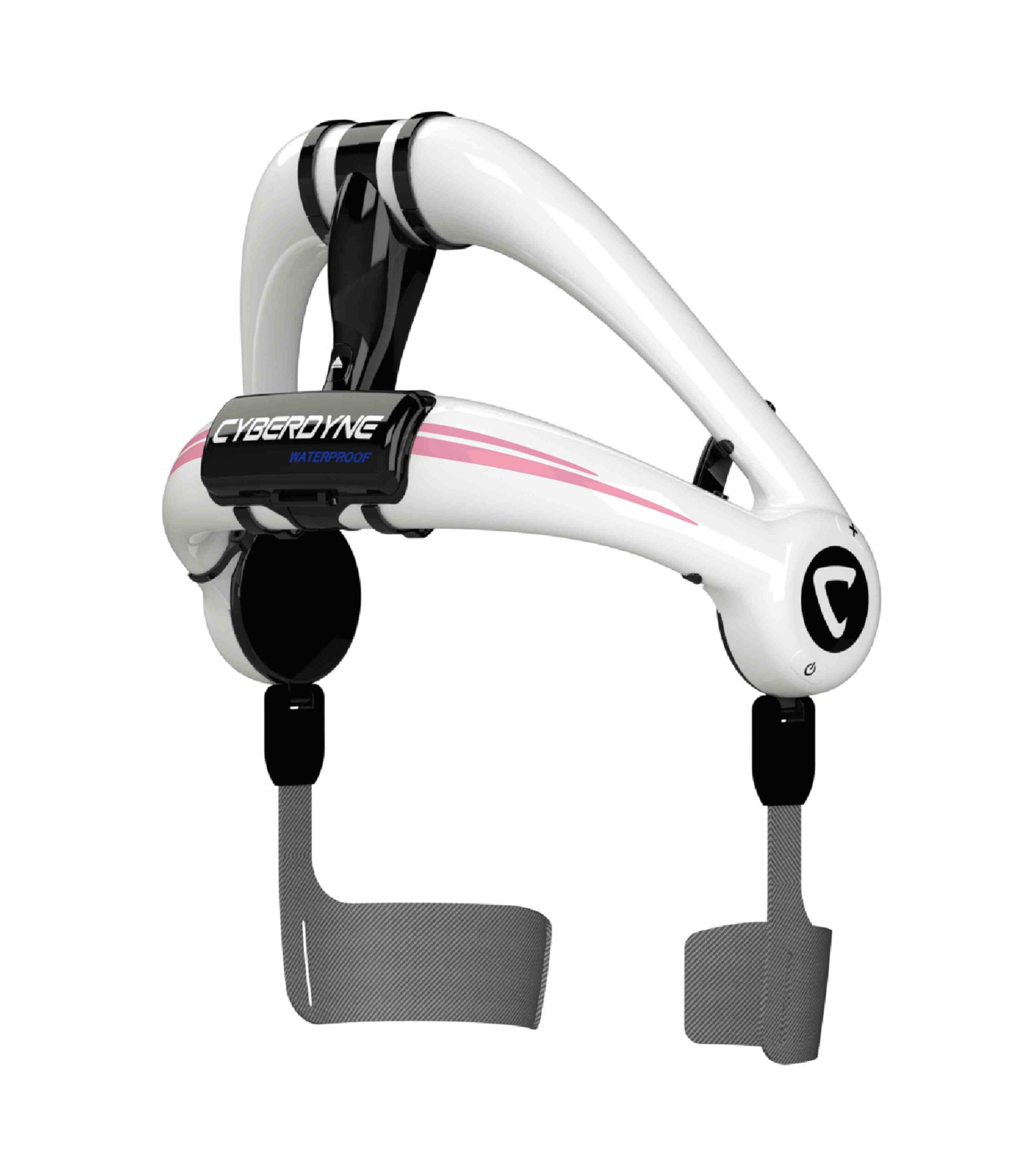
If you work in the logistics sector, the Cyberdyne HAL Lumbar Model will allow you to carry heavy loads using only 40% of your muscle strength. This is actually a compact and specialized version of HAL technology, designed to support the lumbar region, focusing specifically on assisting with trunk bending movements and lifting loads. Focus.
Lumbar HAL Technical Specifications
Exceptional lightness. This is how we can describe the Lumbar HAL, which weighs 3 kg, including the battery. Its structure consists mainly of high-strength resin and breathable textile components, allowing for comfortable wear over long periods without hindering natural mobility. As for its system, it is based on voluntary cybernetic control: Electromyographic (EMG) sensors are placed on the erector spinae muscles to detect the bioelectric signals sent by the brain. Cyberdyne, the designer of HAL, is back with a flagship model. Thus, when the user intends to bend over or lift an object, HAL processes the signal in milliseconds and activates a powerful central motor located at the lumbar level.This motor is capable of generating assistive torque to reduce the load on the spinal discs, offsetting up to 40% of the required muscular effort.In terms of battery life, Lumbar HAL is powered by a removable battery offering approximately 3 hours of runtime during active use, which isn’t too bad. A key feature, however, is the “posture maintenance” mode, which locks in place slightly when the user remains bent forward, providing valuable static support.The Lumbar HAL is also equipped with an abdominal strap and ergonomic thigh straps to adjust it to the user’s body shape, with the adjustment taking no more than 30 seconds. Finally, its IPX4 waterproof rating allows it to be used in slightly damp environments, such as kitchens or certain warehouses.
HAL Lumbar Studies and Reviews
Clinical and ergonomic studies conducted on the Lumbar HAL model highlight a significant reduction in muscle fatigue, particularly in the areas of personal care and logistics. However, the focus should be on preventing musculoskeletal disorders (MSDs).Furthermore, field studies conducted by patient caregivers demonstrated a reduction in electromyographic activity in the lower back muscles of over 30% during transfers from bed to chair. Unlike rigid models, the frame’s flexibility allows caregivers to squat or turn without uncomfortable resistance. By the end of the workday, some patients reported an almost complete resolution of chronic lower back pain. However, some critics note that the thigh strap area may require frequent adjustments to prevent friction during rapid movements. Care center managers appreciate the ease of maintenance and the ability to share the equipment among several employees thanks to quick adjustment settings. In summary, the Lumbar HAL is currently the best compromise between assistive power and ergonomic discretion, although the precise positioning of the skin sensors remains a key factor in achieving optimal performance. Discover all our blog posts.