Yantra
India brings us the Bionic Yantra, a device for gait rehabilitation developed by a Bengaluru-based company. This device is designed specifically for patients who have suffered a stroke, spinal cord injury, or…
At a glance
The full review
Bionic Yantra: One Intensive Gait Rehabilitation
India brings us the Bionic Yantra, a device for gait rehabilitation developed by a Bengaluru-based company. This device is designed specifically for patients who have suffered a stroke, spinal cord injury, or other neurological conditions that affect movement. However, the Bionic Yantra is intended for use in hospitals and specialized centers, and comes with a significantly higher price tag than other models. Here are the details.
Features of the Yantra Bionic
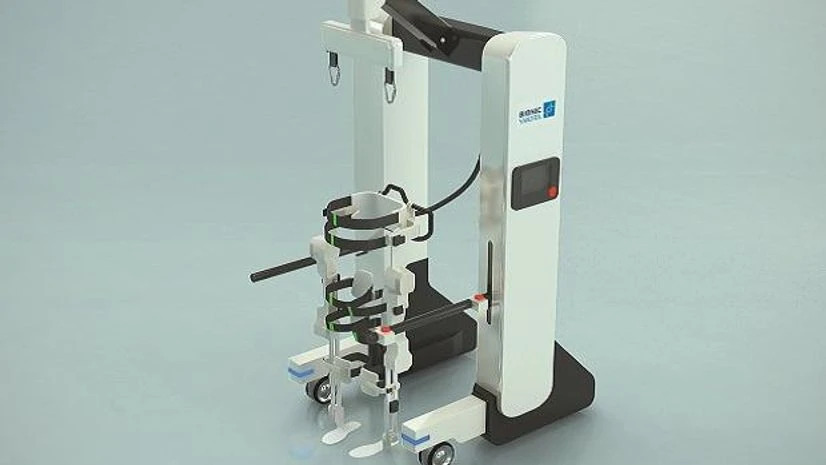
The goal of Bionic Yantra is to offer an intensive, structured, and repeatable rehabilitation solution that remains more affordable than some competing systems imported into India.Like the Gogoa Hank and EXO Angel Legs M20, this medical robotic device is designed for the rehabilitation of individuals with mobility impairments, such as spinal cord injuries or stroke. Its design features an exoskeleton for the legs and pelvis, directly connected to a mobile robotic system. This ensures the patient’s complete safety during sessions (the REARS concept: Robotic Exoskeleton-Assisted Rehabilitation System).One of the main features of the Bionic Yantra is its 100% fail-safe operation. In essence, this means it eliminates the risk of the patient slipping through the moving frame and the integrated support harness.In addition, the provides assistance or “resistance” to lower limb movements. This allows for precise adjustment of the effort required based on the patient’s condition and therapeutic goal.The Bionic Yantra features sensors designed to measure walking speed, step count, and hip and knee amplitude. It also automatically generates progress reports to help therapists track progress in real time.All data can therefore be used with artificial intelligence techniques to analyze movement patterns and refine rehabilitation protocols. Finally, another positive aspect is its overall cost. In fact, the Indian company reports a cost that is about one-third that of competing systems. The goal is to make it accessible to hospitals and rehabilitation centers operating with limited resources. Visit our blog to learn more about the.
Bionic Yantra tests
During Bionic Yantra tests in the rehabilitation phase, the movable frame and support harness put both patients and therapists at ease, as they allow them to work without fear of falling, even with highly unstable patients. Thanks to Bionic Yantra, sessions become more intense as the number of steps increases, which is a key factor in neuromotor recovery.Therapists can also adjust the level of assistance very precisely, allowing the robot to “take over the movement” or, conversely, asking the patient to exert more effort depending on the phase of rehabilitation.The Bionic Yantra is designed for intensive, progressive, and personalized rehabilitation, with continuous robotic support, precise cost tracking, and a focus on affordability for specialized centers. Need advice? Our experts are here to help. Contact us.